
Below, I will explain the principle and cleaning method of a sterilizer.
This is the title h1 placeholder text
Summary: Sterilizer principle: During sterilization, sterilizing water enters the sterilizer tank from the bottom. At this time, the temperature inside the sterilizer is at room temperature. When hot water enters the sterilizer through the pipe, it first contacts the 304 stainless steel, and the temperature of the hot water will decrease. When it contacts the product, the temperature will decrease further, thus prolonging the heating time of the product and alleviating the change process. As hot water gradually enters the sterilizer from the bottom, the water level in the sterilizer gradually rises. The part of the hot water that first contacts the product on the water surface continues to contact the product, and the temperature will gradually decrease, thus slowing down the heating speed of the product and preventing the outer packaging edges from wrinkling.
Sterilizer principle: During sterilization, sterilizing water enters the sterilizer tank from the bottom. At this time, the temperature inside the sterilizer is at room temperature. When hot water enters the sterilizer through the pipe, it first contacts the 304 stainless steel, and the temperature of the hot water will decrease. When it contacts the product, the temperature will further decrease, thus prolonging the heating time of the product and alleviating the change process. As hot water gradually enters the sterilizer from the bottom, the water level in the sterilizer gradually rises. The part of the hot water that first contacts the product on the water surface continues to contact the product, and the temperature will gradually decrease, thus slowing down the heating speed of the product and preventing the outer packaging edges from wrinkling.
For sterilizers, regardless of the form of heating, uniform heat distribution is a minimum requirement. In the current manufacturing process of sterilizers, there will be one or two insulation stages during the heating stage. The role of the insulation stage is to stop heating the parts of the product that heat up faster in the sterilizer and continue to heat the parts that heat up slower, so that the temperature of all products in the insulation stage tends to be basically the same during the heating process.
What to do about scale in a sterilizer?
After using it for a period of time, scale may form inside. The formation of scale is related to the water quality. Severe scaling will affect the sterilization effect, leading to incomplete sterilization or stains on the surface of the packaging. It is usually cleaned once every three months during use. If the water hardness is very high, it should be cleaned once a month, or even more frequently.
Sterilizers can be cleaned electrically or manually. Electric cleaning is more convenient, but the cleaning may not be thorough, but it is more convenient. The cleaning methods are as follows:
1. First, use a 2% concentration of sodium hydroxide solution at around 80 degrees Celsius for circulating cleaning for about 20 minutes, then rinse with clean water for 5 minutes.
2. Then, use a 2% oxalic acid solution at around 800 degrees Celsius for 60 minutes, and then rinse with clean water for 5 minutes.
Note that the two methods, one is degreasing and the other is descaling, need to adjust the concentration and cleaning time of the cleaning solution according to the scale. Other parts that are easy to scale, such as the sterilizer, water inlet pipe, and water pipe filter, should be removed and cleaned carefully, and the cleanliness should be checked regularly.
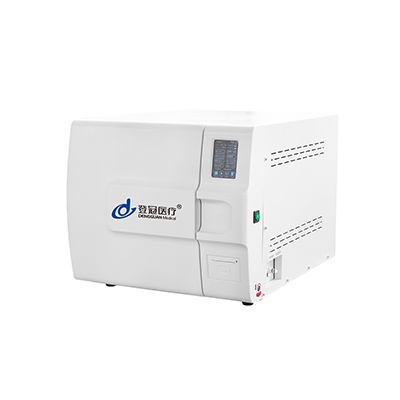
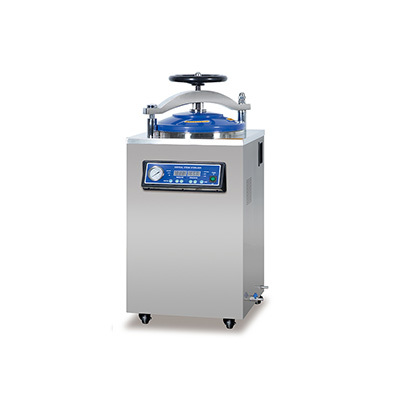
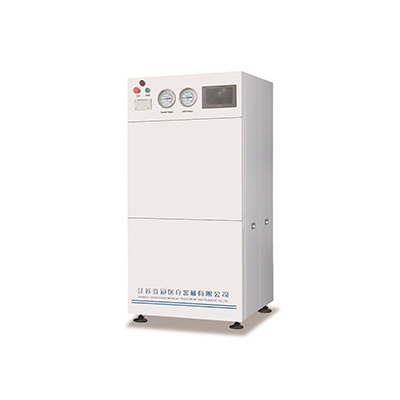
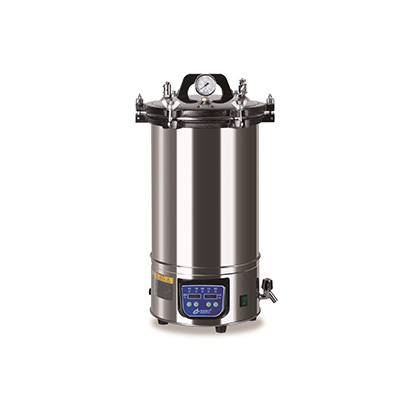
Sterilizer selection: Our sterilizers usually have two sterilization methods. Different sterilization methods can be selected according to different products. They are divided into steam sterilization and water bath sterilization. Steam sterilization means that the sterilization medium is steam. In the early days, this sterilization method was used for the sterilization of canned products. Currently, it is widely used in cans, beverages, eggs, and edible fungi at home and abroad. Water bath sterilization uses hot water for sterilization. According to the water inlet method, there are spray and water bath sterilization.
Our company's sterilizers have many heating methods, but they can be summarized into two methods: self-heating and external heating; self-heating is electric heating, and external heating is steam heating, coal heating, gas heating, oil heating, and heat transfer oil heating, etc.
Okay, the editor will not explain too much today. See you next time.
Related News


Service Hotline
Tel:+86-519-82421222
Email:sales02@jsdengguan.com
Address:No. 17, Danfeng West Road, Jintan District, Changzhou City, Jiangsu Province
Add WeChat
Powered by: www.300.cn | Tags