
Anti-bedsore mattress manufacturer: How can anti-bedsore air mattresses help with bedsores?
This is the title h1 placeholder text
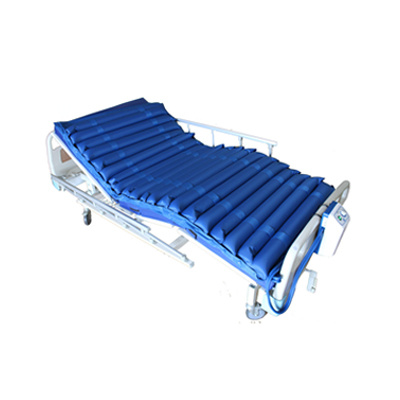
Summary: Air-assisted anti-bedsore mattresses are designed to alleviate the difficulties faced by bedridden patients in turning over and reduce the workload on caregivers. They are suitable for patients who are bedridden for extended periods and are one of the effective medical devices for preventing pressure sores. Currently, commonly used anti-bedsore air mattresses and therapeutic/health care anti-bedsore pads all feature fully automatic alternating inflation and deflation, quiet, low-noise design, suitable for the recuperation of elderly bedridden individuals. So, anti-bedsore mattresses: How do anti-bedsore air mattresses help with pressure sores?
Alternating pressure air mattresses for pressure ulcer prevention are designed to alleviate the difficulties of turning over bedridden patients and reduce the workload of caregivers. They are suitable for patients who are bedridden for extended periods and are an effective medical device for preventing pressure ulcers. Currently, commonly used pressure ulcer prevention air mattresses and those used for wound treatment and health care all feature fully automatic alternating inflation and deflation, silent operation, and low noise design, making them suitable for convalescing elderly individuals who are bedridden. So, pressure ulcer mattresses: how do pressure ulcer air mattresses help with pressure ulcers?
Pressure ulcer mattresses: how do pressure ulcer air mattresses help with pressure ulcers?
The main benefits of pressure ulcer air mattresses for pressure ulcers are as follows:
1. Based on ergonomic principles, a pressure-relieving air mattress has been developed to prevent pressure ulcers. It is designed with a circulating airflow system. The fluctuating airflow automatically changes the pressure points on the body. For individuals who are bedridden for extended periods, it can reduce the occurrence of pressure ulcers and lessen pressure on local tissues. Combined with the soft support of the air mattress, it effectively prevents the occurrence of pressure ulcers and has a certain restorative effect on patients with pressure ulcers.
2. Pressure ulcer prevention air mattresses have two basic functions: one is to better distribute pressure, avoiding concentrated and sustained pressure, and promoting blood circulation. The other is that the bearing interface has good ventilation and heat dissipation functions.
3. Pressure ulcer prevention air mattresses typically have a cycle of 6-8 minutes, changing the pressure points on the body every 6-8 minutes, equivalent to turning the patient over 7-10 times per hour, significantly more than manual repositioning. High-frequency turning provides pressure-relieving protection, ensuring normal blood circulation and preventing muscle relaxation. At the same time, the gaps created by the wave action allow for natural air circulation, keeping the skin's metabolism smooth 24 hours a day.
4. Pressure ulcer air mattresses use non-absorbent fiber fabric, making it difficult for sweat and other liquids to adhere to the air cells, making them easy to wipe clean. The air pump also has several adjustable settings, allowing users to adjust the appropriate pressure index according to their weight for a better bed environment.
How to care for pressure ulcers?
1. Pressure ulcers are caused by prolonged pressure on the local tissues of the body surface, leading to continuous ischemia and malnutrition of local soft tissues, resulting in necrosis and ulceration. Over 95% of pressure ulcers occur at bony prominences in the lower body and require protection with pressure ulcer pads to avoid prolonged pressure on the local skin and effectively prevent pressure ulcers.
2. The care of pressure ulcers should also consider the patient's individual condition and the severity of the illness. Malnutrition is also a major factor contributing to pressure ulcers, directly affecting the healing and onset speed. Therefore, providing patients with more protein, nutrients, and vitamins can help strengthen their immunity and promote the repair speed of skin tissue. During daily care, patients should be turned and repositioned frequently to reduce prolonged external force on the local skin. Experts recommend changing positions every two hours.
3. For pressure ulcers, prevention and treatment are equally important. Family members should pay extra attention when caring for bedridden patients.
Related News


Service Hotline
Tel:+86-519-82421222
Email:sales02@jsdengguan.com
Address:No. 17, Danfeng West Road, Jintan District, Changzhou City, Jiangsu Province
Add WeChat
Powered by: www.300.cn | Tags